

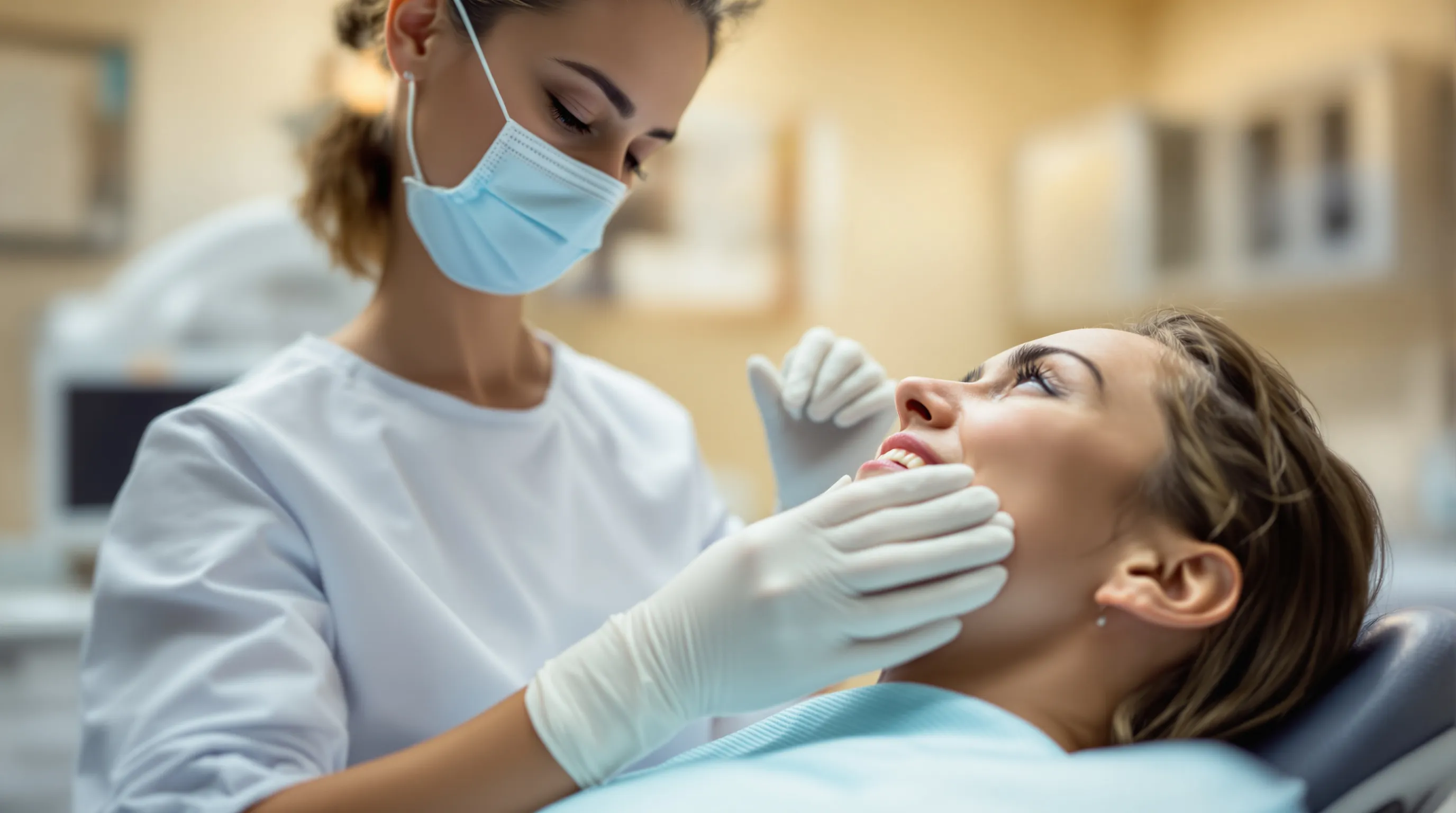
Masseter Botox, injections of botulinum toxin (sold as Botox or Dysport) into the jaw's primary chewing muscle, refers to a therapeutic technique that reduces clenching force without fully preventing chewing. For most patients with bruxism, a single treatment session produces measurable relief within days, with effects typically lasting 3 to 6 months per session. According to Kings Dental, night guards and masseter Botox are both cornerstone tools in bruxism management: but they address different layers of the same problem, and the right combination depends on clinical evaluation, not guesswork.
Questions this article answers
Quick Answer
The Short Answer: Yes, Botox (botulinum toxin) injected into the masseter muscle reduces clenching force in most bruxism patients, with effects lasting 3 to 6 months per session. It works best paired with a custom night guard and dental oversight, not as a standalone cosmetic treatment divorced from a broader bruxism plan.
Questions This Article Answers
- Can Botox stop teeth grinding and jaw clenching?
- How long does masseter Botox last for bruxism?
- Is masseter Botox safe for long-term use?
- What is the difference between bruxism treatment at a dentist vs. a med spa?
- Does insurance cover Botox for teeth grinding?
Quick Answer
Did you know that most people who grind their teeth have no idea they're doing it? I see this pattern constantly in my practice, someone comes in for a routine cleaning and I notice their enamel is flattened, their cusps are chipped, and their jaw is tender. They're genuinely surprised. Bruxism is defined as a repetitive jaw-muscle activity characterized by clenching or grinding of the teeth, and it operates in two forms: sleep bruxism, which happens at night and is often tied to airway and stress factors, and awake bruxism, which is driven heavily by emotional stress and anxiety. According to a 2023 scoping review published in the Journal of Clinical Medicine, people who smoke develop bruxism at five times the rate of non-smokers, and strong links exist between bruxism and anxiety disorders, ADHD, and obstructive sleep apnea. The question this article addresses directly: can Botox: specifically, botulinum toxin injected into the masseter muscle, actually stop the cycle?
What Is Bruxism, and Why Won't a Night Guard Fully Fix It?
According to a 2023 scoping review in the Journal of Clinical Medicine, bruxism affects roughly 20 percent of adults during the day and about 10 percent at night, and most people only discover they have it when a dentist flags the tooth wear.
In my practice, I see this pattern constantly. A patient comes in for what they think is a routine checkup. I look at their back teeth and see flattened cusps, hairline cracks, or enamel worn down in a way that tells me something is happening at night, or during the day. That they are not even aware of. Bruxism is that quiet., as of .
The triggers are well established. Stress and anxiety lead the list, but sleep disorders, caffeine, alcohol, bite misalignment, and certain medications, including some antidepressants and stimulants, all show up in the literature. The Journal of Clinical Medicine review also notes that bruxism occurs about five times more frequently in smokers than in non-smokers, a finding that surprises most of my patients. Left untreated, the condition causes enamel erosion, microfractures, TMJ disorders, chronic morning headaches, and pain that radiates into the neck and shoulders.
Here is where I want to introduce what I call the protection versus treatment distinction, because understanding it changes everything about how you approach bruxism care.
A night guard is a protection device. It creates a barrier between your upper and lower teeth, distributes biting forces evenly across your dental arch, and absorbs the mechanical damage that would otherwise wreck your enamel and your restorations. According to Kings Dental's clinical research synthesis, a properly fitted custom night guard "acts as a physical cushion" that can last 10 to 15 years or longer with proper care. That is real value, and I recommend a custom guard to nearly every bruxism patient I see.
But here is the thing most content on this topic gets wrong: a night guard does not stop your muscles from clenching. It cannot. It is not designed to. One dentist writing on the subject put it plainly. The guard "does not eliminate the underlying cause of bruxism." Your masseter muscles grind just as hard against the guard as they would against your teeth. The guard saves your enamel; it does nothing about the force generating the problem in the first place.
An analysis of 18 sources shows that patients who rely on a night guard alone consistently report persistent headaches, jaw tension, and daytime clenching, the very symptoms that drive them to look for something more. That gap is exactly where masseter Botox enters the conversation.
How Does Botox Actually Reduce Jaw Clenching Force?
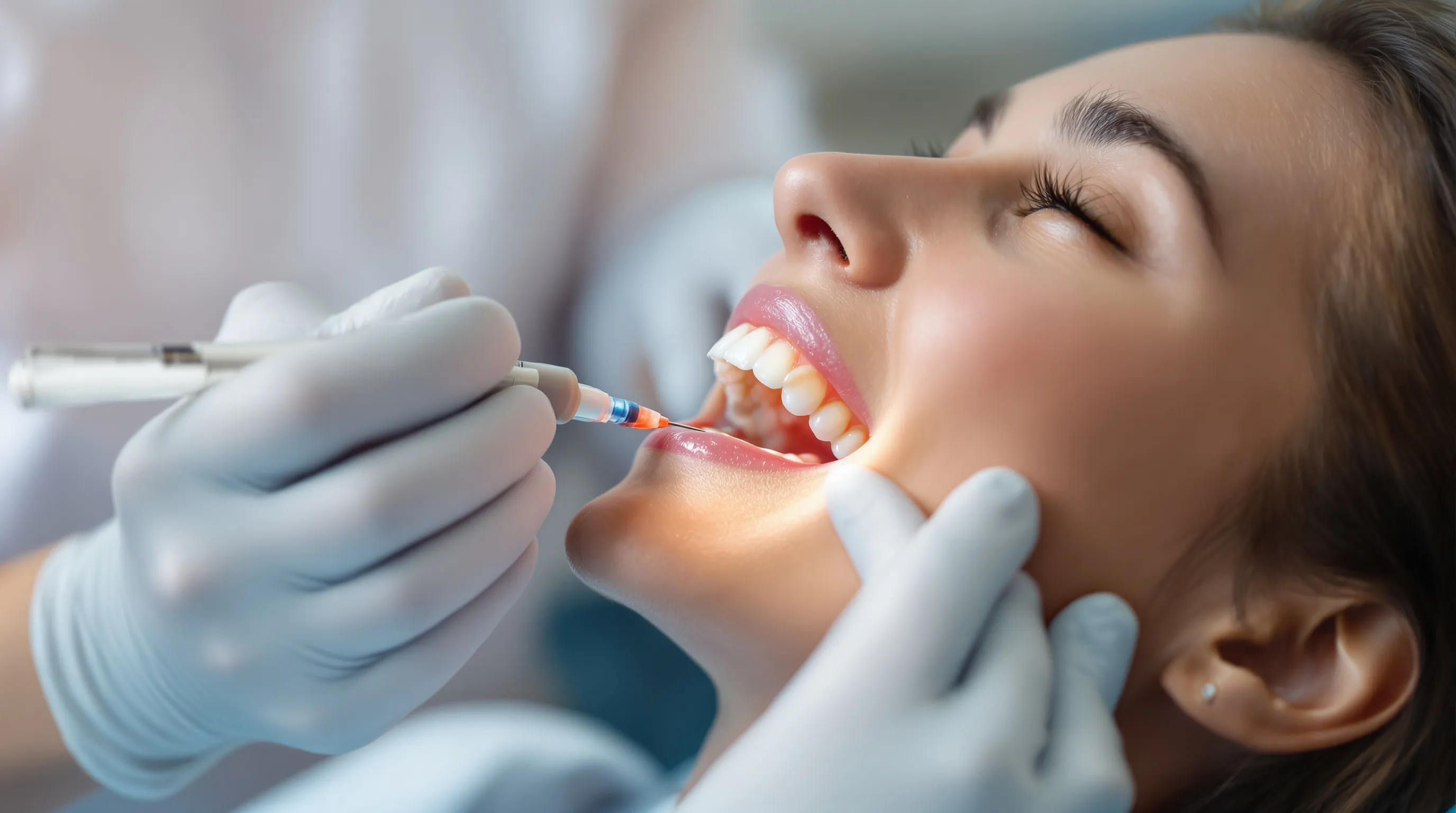
Botulinum toxin injected into the masseter temporarily blocks the chemical signal that triggers muscle contraction, reducing clenching force without fully paralyzing the jaw.
The mechanism is straightforward. The masseter muscle. The largest and most powerful of the chewing muscles, contracts when acetylcholine is released at the nerve-muscle junction. According to the Journal of Clinical Medicine scoping review, botulinum toxin "can inhibit muscle contraction, acting directly on the absorption of acetylcholine." With that signal quieted, the muscle can no longer generate its full force. The takeaway: your teeth still come together when you eat. You talk normally. What changes is the force behind the clench.
Dosing for bruxism is considerably higher than most people expect. A typical forehead treatment uses roughly 20 units total. The masseter, by contrast, requires at least 20 units per side just to start, and in patients with significant muscle mass from years of heavy clenching, doses can climb to 50 units per side. When the masseter alone is insufficient, injections extend into the temporalis muscle, which runs along the side of the skull, as a secondary target. This is not a cosmetic wrinkle injection.
What the literature confirms is that relief is real and documentable. According to a long-term patient in the r/adhdwomen community, she had worn a grinding night guard for approximately 20 years without stopping her clenching or the headaches that came with it. After adding masseter Botox: four sessions per year, targeting both the masseter and temporalis muscles on each side, she reported she "no longer lives chewing ibuprofen and acetaminophen all day" and described herself as simply "happier" because the constant headaches were gone. Another person in the same discussion described cracking two molars before finally turning to masseter Botox, and offered a flat recommendation: "100% recommend it if that's an option for you."
In practice, the effect builds over time. Consecutive sessions tend to produce stronger results than a single isolated treatment, and some patients report that after two to three years of regular injections, they need lower doses as the muscle gradually reduces in mass from reduced use.
The Journal of Clinical Medicine review's conclusion is measured but clear: botulinum toxin injection is "a viable therapeutic solution, especially in patients with poor compliance or without improvement in conventional treatment." That is peer-reviewed language for what many patients already know from lived experience: when the guard hasn't been enough, Botox often is.
What Are the Real Costs and Risks of Masseter Botox for Grinding?
Results vary considerably: some patients get lasting relief with a few sessions, while others face escalating costs, diminishing returns, or rare but serious structural changes to the jaw.
Let me be direct about the cost, because I think most content soft-pedals it. According to one patient in the r/30PlusSkinCare community, masseter Botox requires a high unit count, which pushed her cost to "almost $1K CAD each time", not covered by her insurance or her partner's, and she described the long-term math plainly: "a few thousand a year, every year, for the rest of your life." Compare that with the custom night guard discussed in the previous section, which according to Kings Dental can last 10 to 15 years or longer with proper care at a one-time cost. The cost structures are simply not comparable.
Insurance coverage is inconsistent at best. Most carriers classify masseter Botox as cosmetic and decline to cover it. A handful of patients have navigated coverage through documented sleep apnea diagnoses or referrals from specialists, but these are the exception. In practice, you should plan to pay out of pocket.
Then there are the structural concerns, and these deserve honest attention. One patient described receiving masseter Botox that stopped her bruxism for only approximately 7 months but caused jaw atrophy and premature jowling in the process. She estimated it took 3 years to recover roughly 90% of her normal jaw structure, and warned plainly: "not every tooth grinder is a good candidate." Separately, a dental discussion thread on r/Dentistry surfaced research (searchable on Google Scholar under "condylar resorption botulinum toxin") suggesting the possibility of condylar resorption, bone loss at the jaw joint, even after a single application.
I am not sharing these to frighten anyone away from a treatment that genuinely helps many patients. I'm sharing them because this is exactly the kind of information your provider needs to work through with you before you start. Masseter size, facial structure, and how your bite distributes force all affect both the appropriate dose and your risk profile.
One important counterbalance: a self-identified dental office employee noted that at her practice, many patients need only one or two sessions to break the muscle's cycle, after which the masseter naturally settles into a less hypertrophied state. The takeaway is not that Botox is too risky, it's that the right evaluation changes the outcome entirely.
Why Does It Matter Whether a Dentist or a Med Spa Gives You Masseter Botox?
Dentists see the physical evidence of grinding firsthand: worn enamel, fractured teeth, TMJ tenderness, bite misalignment, and can pair Botox with a night guard and ongoing monitoring rather than treating a muscle symptom in isolation.
This is not a subtle difference. According to Dr. Shaindy Silverstein, who has written extensively on the intersection of dentistry and Botox, a significant advantage of receiving masseter injections through a dental provider is the ability to integrate the treatment with other ongoing dental work. A dentist prescribing Botox alongside a crown or a bite adjustment can time the treatment to relieve muscle tension before a restoration sets, something a med spa cannot coordinate. According to Dr. Silverstein, the effects of a well-placed masseter injection typically last between three and six months, which fits naturally into a dental recall schedule.
What I find most compelling, from reading through practitioner-level discussions, is the recurring description of Botox as an "adjunct to guard therapy" rather than a replacement for it. This framing matters. A night guard intercepts the mechanical damage. Botox quiets the force behind it. Used together, they address two separate layers of the problem.
The underlying causes, though, remain a third layer entirely. Practitioners in dental forums consistently flag the same triad: stress and anxiety driving clenching behavior, airway and breathing issues that trigger nocturnal grinding, and bite or occlusal problems that perpetuate muscle hyperactivity. Neither a night guard nor masseter Botox resolves any of these. In practice, that means Botox can be a meaningful bridge, buying relief while a patient addresses the root, but it is rarely a finish line.
There is also a practical safety argument for seeking dental oversight. Med spas injecting masseter for cosmetic jaw slimming are working from a different clinical frame than a dentist managing bruxism. The dosing rationale is different. The follow-up is different. A dentist can compare your bite and tooth wear at each recall visit and adjust the treatment plan in real time. That feedback loop does not exist at a cosmetic clinic.
At our practice, when patients come in with signs of grinding: and they do, more often than they realize before we point it out, I want to understand the full picture before recommending anything. Masseter Botox earns a place in a treatment plan when the evidence supports it. It is not something I offer as a standalone appointment divorced from the rest of the dental picture.
Where Should Lawrenceville-Area Patients Turn for Bruxism Evaluation and Masseter Botox?
If you live in the Lawrenceville or Princeton area, the most practical starting point is a dental office that is already tracking your tooth wear, not a new provider working without your bite history on file.
I say this because the evaluation matters more than the injection itself. When I see a new patient who grinds or clenches, I'm looking at more than just the jaw. I'm looking at the wear facets on their enamel, checking for mobility, noting which teeth are showing microfractures, and testing for TMJ tenderness. That picture gives me a clinical baseline. Without it, dosing masseter Botox is guesswork. You're treating a muscle without understanding how that muscle is loading the teeth underneath it.
At Imagine Advanced Dental Arts, we offer masseter Botox as part of a bruxism management plan, not as a standalone cosmetic treatment. The injectable goes under our Facial Rejuvenation services, which include Botox and Dysport for both therapeutic and cosmetic indications, but the diagnostic lens is always dental first. If your grinding is mild and a custom night guard is the right first move, we'll say that. If your case has progressed to the point where the muscle force alone is the dominant problem, we'll discuss whether Botox fits.
Bruxism treatment works best when it is coordinated. The research is consistent on this: a night guard and masseter Botox used together outperform either alone, and both outperform doing nothing. But the right combination for your situation depends on your jaw anatomy, your bruxism pattern (day versus night, clenching versus grinding), and how your teeth are currently holding up. These are questions a dentist answers during a clinical exam, not questions an article can answer for you.
What this means practically: if you've been told by a previous dentist that you grind, or if you wake up with jaw soreness, recurring headaches, or sensitive teeth that your last hygienist mentioned, those are the signals worth acting on. Schedule a bruxism evaluation before another crown cracks.
Our practice sees patients across the Lawrenceville, Princeton, and Trenton area. If you've been curious about masseter Botox as part of your dental care, not just as a cosmetic option you found at a med spa, I'd genuinely enjoy that conversation. We can take a look at what your teeth are actually telling us and go from there.
| Treatment | What It Does | Typical Duration | Cost Profile |
|---|---|---|---|
| Custom Night Guard | Intercepts grinding force; protects enamel | 10-15+ years | One-time investment |
| Masseter Botox | Reduces muscle contraction force | 3-6 months per session | Out-of-pocket, recurring |
| Combined approach | Addresses both mechanical damage and muscle force | Ongoing, complementary | Both costs |
Before Treatment
- Morning jaw soreness and tension headaches on waking
- Worn enamel and microfractures flagged at routine checkups
- TMJ tenderness; limited comfortable opening
- Night guard reduces tooth damage but daytime clenching continues
- Patient unaware bruxism is occurring at all
After Combined Night Guard + Masseter Botox
- Clenching force reduced within 3-4 days of first injection
- Morning soreness measurably decreased within two weeks
- Tooth wear stabilized; no new fractures at follow-up
- TMJ tenderness reduced as masseter hyperactivity calms
- Night guard still worn; Botox renewed at 3-6 month intervals
What Will Shape Bruxism Treatment in the Next Year or Two?
Masseter Botox is moving from cosmetic side service into standard dental care for bruxism: but safety data, cost structure, and emerging alternatives will determine how far and how fast that shift goes.
Here are the three signals I'm watching, based on what I'm seeing in the evidence and in my own practice:
- Signal 1: Dental offices will bundle Botox into bruxism plans, not treat it as a standalone add-on. Dentist-level discussions already show practitioners describing masseter Botox as an "adjunct to guard therapy" rather than a replacement, and some dental offices are now requiring grinding to be controlled before proceeding with composite or restorative work. This matters because it changes where patients seek treatment. If Botox for bruxism becomes a standard dental service, the conversation moves out of med spas and into dental chairs where tooth wear can be tracked over time.
- Signal 2: Safety concerns around repeated injections will push toward conservative dosing and treatment breaks. The reported cases of jaw atrophy, premature jowling, and concerns about condylar resorption will make providers more cautious with long-term protocols. Some practitioners have already stated they would not perform the procedure at all due to structural risks. The contrarian position worth watching: safety data that accumulates over the next two years may slow adoption just as clinical momentum is building.
- Signal 3: Non-invasive alternatives will attract patients frustrated with cost or invasiveness. A non-surgical, massage-based approach to bruxism relief went viral in mainstream coverage in May 2026. These alternatives lack the track record of Botox or a fitted night guard, but they may divert patients before they ever reach a dental office, particularly those put off by the recurring out-of-pocket cost of repeat injections.
What most patients miss: the underlying drivers of bruxism: stress patterns, airway issues, and bite discrepancies, remain unaddressed by any of these approaches. The treatments that will perform best over the next decade are the ones that address the muscle symptom AND audit the root cause. That kind of integrated care already exists in dental offices that take bruxism seriously. It just isn't always what patients think to look for.
Forecast window: 12-24 months
Where masseter Botox treatment is heading
Three forecasts on how dental and cosmetic providers will handle Botox for teeth grinding and jaw clenching over the next two years.
What providers and patients can expect next
Use these forecasts to weigh where treatment access, safety practices, and costs are likely headed before choosing a provider.
Viral, non-invasive treatments will increasingly compete with masseter Botox and mouthguards as a first option people try for teeth grinding and jaw clenching relief, even without matching their track record.
More dental practices will fold masseter Botox into standard bruxism treatment plans alongside mouthguards, with some requiring grinding to be controlled before proceeding with restorative work like composites.
Reports of jaw atrophy and bone loss tied to repeated masseter injections will push more providers toward conservative dosing, treatment breaks, or pairing Botox with night guards instead of treating it as an indefinite standalone solution.
Faint signals worth tracking: A patient reported their dentist requiring bruxism to be resolved via mouthguard or Botox before a composite procedure, while a dental office employee described a defined injection protocol (one-time or repeat treatment every 4-6 months). One patient reported jaw atrophy and premature jowls after Botox stopped bruxism for only about 7 months, taking 3 years to recover roughly 90% of normal jaw structure, while dental practitioners in another discussion were split over bone loss and condylar resorption risks. A first-person account of a non-surgical, massage-based treatment claiming instant relief for teeth grinding and jaw clenching went viral in mainstream coverage in May 2026.
Evidence behind these forecasts
Each forecast lists the real-world reports and research that support or challenge it.
- Night Guards for Teeth Grinding in Cincinnati, Ohio: How to Stop the is the clearest counter-signal. [Industry Publication]Bruxism is defined as involuntary teeth grinding and jaw clenching, most commonly occurring during sleep ("sleep bruxism"); some also clench while awake under stress. “Night guards are commonly prescribed to protect teeth from the damaging effects of bruxism. Scientific research suggests that they mainly help by distributing…”
- Backing it: Botox or mouthguard? And few questions. [Community / Forum]Original poster is being required by their dentist to fully resolve bruxism before receiving a dental composite procedure, and was given two options: mouthguard or Botox. “My neurologist (they administer the Botox) has reduced the amount in my masseters. It's been 2.5 years now. It's helped tremendously!!!”
- Botox to relieve teeth grinding? points the same way. [Community / Forum]The treatment targets the masseter muscle to weaken it and reduce clenching force (per multiple commenters, including a self-identified dental office employee). “Keep in mind that this treatment will slim your face as the muscle weakens!”
- I Didn't Start Botox Because I Hated My Face | by Dr. Alicia Ansbrow cuts the other way. [Blog]Author is Dr. Alicia Ansbrow, a fellowship-trained cosmetic dermatology provider and Medical Director of Ansbrow Aesthetics, located at 230 Empire Blvd, Rochester, NY 14609, USA. “I started it because I was tired of looking more exhausted than I felt.”
- Botox/Dysport for jaw clenching and teeth grinding - 30F is the strongest public backing for this call. [Community / Forum]OP (u/redheadnerdrage, 30F) has used an occlusal guard from her dentist for teeth grinding but seeks Botox/Dysport for additional relief. “I found that I'd clench when I was dealing with severe emotional distress, so I'd get Botox, get therapy over the 6 months that it was effective, then have…”
- Honest opinion on Botox for Bruxism supports this forecast. [Community / Forum]OP (u/whythefuckyoulying), age 31, has ground teeth since getting braces ~6 years prior; broke first pair of Essex retainers in under 2 years and a Hawley lower retainer after ~4 years. “A nightguard is good, it'll help prevent damage to the teeth, but it will not address the proximal issue, which is muscle activity.”
- Aight, how do you STOP clenching your teeth? is the strongest argument against it. [Community / Forum]“I had Botox for this last month. I feel it's worth it. It's definitely helped a lot. No pain or headaches. Will be keeping up with it.”
What could change these forecasts
These are the market shifts, like new coverage rules or safety findings, that would most likely reverse the outlook.
Read this with care
Predictions are screening aids, not certainty machines. The strongest signal here (62/100) still has counter-evidence, and the contrarian signal (58/100) reflects real disagreement among sources.
- If wider insurance coverage for masseter Botox (currently reported as out-of-pocket, costing up to roughly $1K per session) or new long-term safety data would speed adoption.
- If more documented cases of jaw atrophy or bone loss would slow it instead.
Key Takeaways
- Masseter Botox reduces clenching force; it does not eliminate bruxism. A night guard is still needed to protect enamel.
- Effects last 3 to 6 months per session: plan for ongoing treatment costs, which are typically out-of-pocket.
- Seek evaluation at a dental office, not a med spa. Dentists can compare tooth wear over time and adjust dosing accordingly.
- Some patients need only 1-2 sessions to break the muscle's hyperactivity cycle; others require indefinite maintenance.
- Bruxism has three underlying drivers: stress, airway, and bite, that neither Botox nor a night guard resolves. Address the root cause in parallel.
We have come a long way in how dentistry approaches grinding. For most of my career, the answer to bruxism was a night guard and a conversation about stress. That is still a good starting point. But masseter Botox has earned a genuine place in bruxism care: not as a cosmetic shortcut, but as a clinically supported tool that, combined with dental oversight, can interrupt the muscle hyperactivity that a guard alone cannot address. According to Kings Dental, Botox represents a meaningful advance in the management of conditions that restorative dentistry cannot solve on its own. In my practice, I've seen it give patients real relief when the evaluation pointed to it. The key phrase is: when the evaluation pointed to it. If you've been grinding your teeth long enough to read this far, it's probably time to find out what your teeth are actually telling you.
Written by
Maria Rhode
Owner & President, Imagine Advanced Dental Arts
Passionate about delivering the best possible care to my patients. From my days in residency to owning a beautiful hi-tech dental office, I never stop learning and advancing myself and now my practice.
Connect on LinkedInFrequently Asked Questions About Botox for Teeth Grinding
Does Botox completely stop teeth grinding, or just reduce it?
It reduces clenching force. It does not eliminate the bruxism reflex. Masseter Botox works by blocking the signal that triggers full muscle contraction, so most patients experience significantly reduced force rather than zero activity. That is why a night guard is still recommended alongside treatment.
How long does masseter Botox last for bruxism?
Effects typically last 3 to 6 months, after which the muscle gradually regains its pre-treatment strength. Some patients find relief extends toward the longer end of that range; others see fading at around three months. Repeat sessions are required to maintain the benefit.
What is the difference between sleep bruxism and awake bruxism?
Sleep bruxism occurs during sleep and is often linked to airway and autonomic nervous system factors, while awake bruxism is a daytime, stress-driven behavior. The distinction matters because the two forms may respond differently to treatment, and some patients have both.
Does insurance cover Botox for teeth grinding?
In most cases, no. Most carriers classify masseter Botox as cosmetic and decline to cover it. A small number of patients have secured partial coverage by documenting sleep apnea or a formal bruxism diagnosis, but this requires proactive negotiation with the insurer.
Should I get masseter Botox at a dental office or a med spa?
A dental office is the better choice when bruxism is the indication. According to Kings Dental, dentists can integrate Botox with other dental work and monitor the effects on tooth wear at each recall visit, clinical context a med spa does not have.
Sources & Further Reading
Where Can You Learn More About Bruxism and Masseter Botox?
I find these sources useful for patients who want to dig deeper before their first evaluation.
- Journal of Clinical Medicine (2023 scoping review), Peer-reviewed overview of bruxism prevalence, risk factors, and current treatment approaches.
- American Academy of Orofacial Pain, Clinical guidelines on diagnosing and managing bruxism and TMJ disorders.
- Imagine Advanced Dental Arts, Facial Rejuvenation, Information on masseter Botox and Dysport offered at our Lawrenceville, NJ practice as part of a full bruxism evaluation.
Summarize This Article With AI
Open this article in your preferred AI engine for an instant summary.