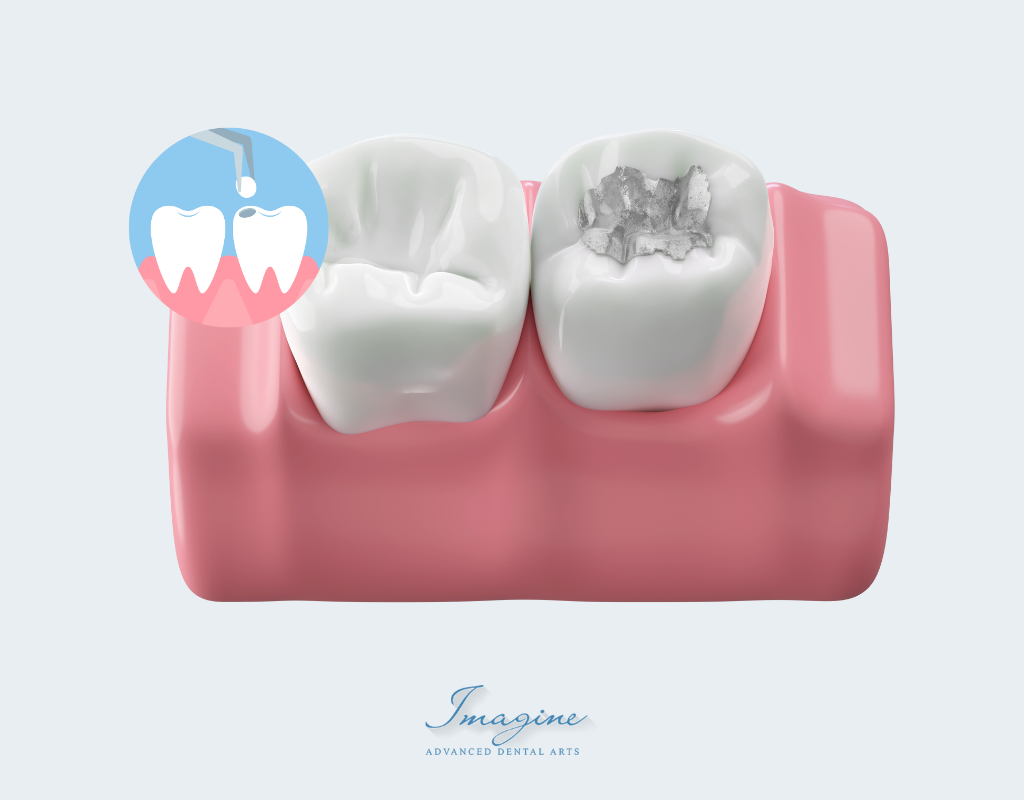
Also called metal-free or holistic dentistry, tooth-colored dental fillings and bonding
are safer looking and more natural than old metal fillings. Our New Jersey dentists use
a white composite filling made from strong bonding material that matches your natural
tooth color, so it blends into your smile.
Composite fillings are attractive, durable, and conservative. Because the material bonds
directly to the tooth, less healthy structure needs to be removed, and the restored tooth
can stay strong for everyday chewing.
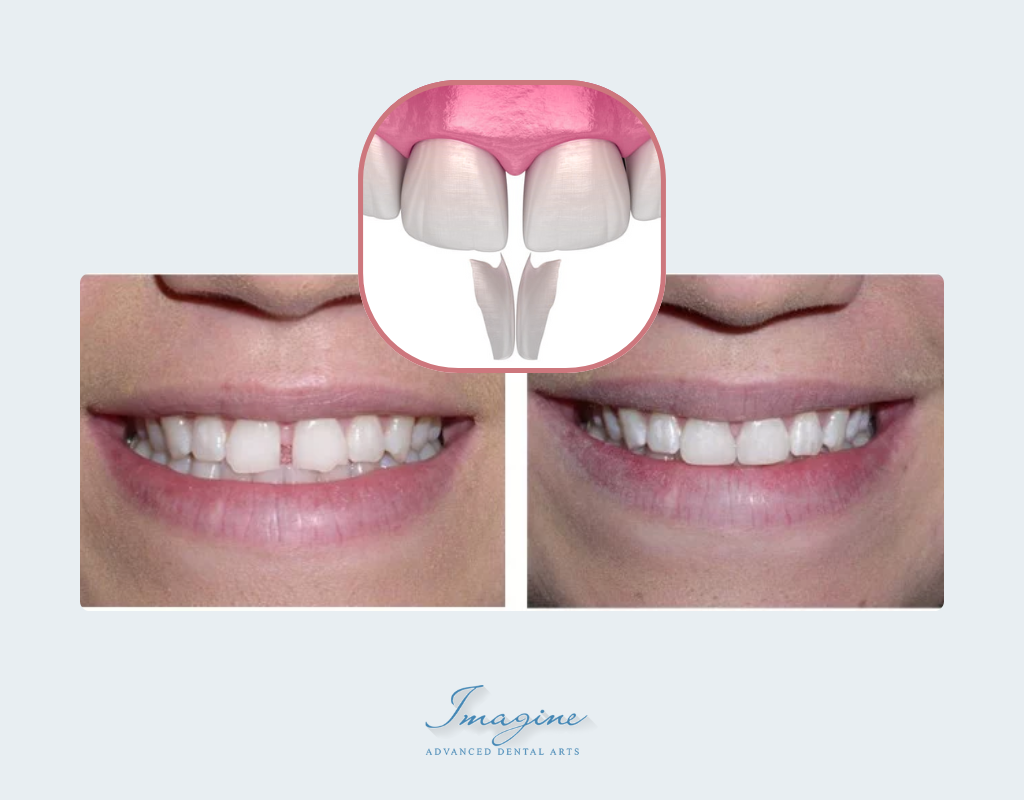
Cosmetic Bonding
Bonding dental work is one of the most common cosmetic treatments for gaps, chips, small
cracks, surface stains, or minor shape concerns. We apply tooth-colored composite resin
directly to the tooth, shape it, harden it with a special light, and polish it for a
smooth natural finish.
Bonding is gentle and noninvasive. It can be a smart choice when you like your overall
smile but want to correct a small flaw without porcelain veneers or a dental crown.
What Are Dental Fillings?
Dental fillings repair small holes in teeth caused by cavities. Cavities develop when
sugar and bacteria damage enamel over time. If decay is not treated, it can spread deeper
into the tooth and create a larger dental problem.
When caught early, the damaged area can be removed and replaced with a composite tooth
filling that looks like your natural enamel.
How Dental Fillings Work?
The dentist first checks that the tooth is strong enough for a filling. The decayed
portion is removed, the area is cleaned, and tooth-colored bonding material is placed to
seal the space. Once hardened and polished, the filling helps stop the cavity from
growing and restores strength to the tooth.
What Is Dental Bonding?
Dental bonding is different from a filling. It is used to fix chipped, cracked, stained,
worn, or slightly uneven teeth. Fillings treat decay; bonding improves the shape or look
of a tooth while using a similar tooth-colored material.
How Dental Bonding Works?
During bonding, your dentist applies composite resin to the affected area, sculpts it to
the right shape, cures it with a light, and polishes it. The result can make the tooth
look whole again and can also help protect the chipped or worn area from further damage.
Fillings and Bondings – What to Expect
Fillings and bonding both use tooth-colored materials, but they solve different problems.
Bonding is usually cosmetic, while fillings stop decay from spreading and rebuild the
affected tooth. After either treatment, temporary sensitivity is possible and usually
fades quickly.
When Is Dental Bonding Recommended?
Dental bonding is useful for small cosmetic changes. The same composite material can also
be used for minor restorative needs when a tooth-colored result is preferred.
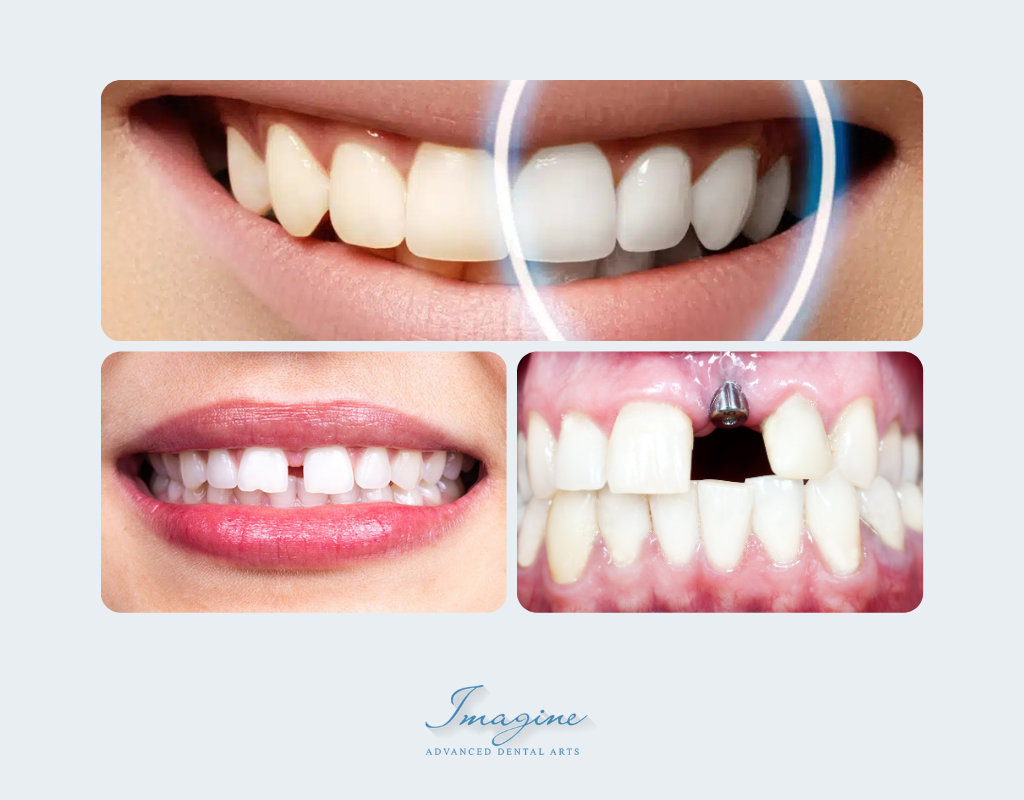
Bonding can help
Cover chips or small cracks
Hide stains that do not respond to whitening
Close small gaps between teeth
Make short or uneven teeth look more balanced
Fillings can help
Repair small cavities
Replace older silver fillings
Protect roots exposed by gum recession
Restore worn or weakened chewing surfaces
What Happens Before Teeth Bonding?
Before teeth bonding, your dentist will talk with you about your smile goals and examine
your teeth and gums. X-rays may be taken when needed. If there is gum disease, deep
decay, or another active oral health problem, that should be treated before cosmetic
bonding begins.
What Happens During Dental Bonding?
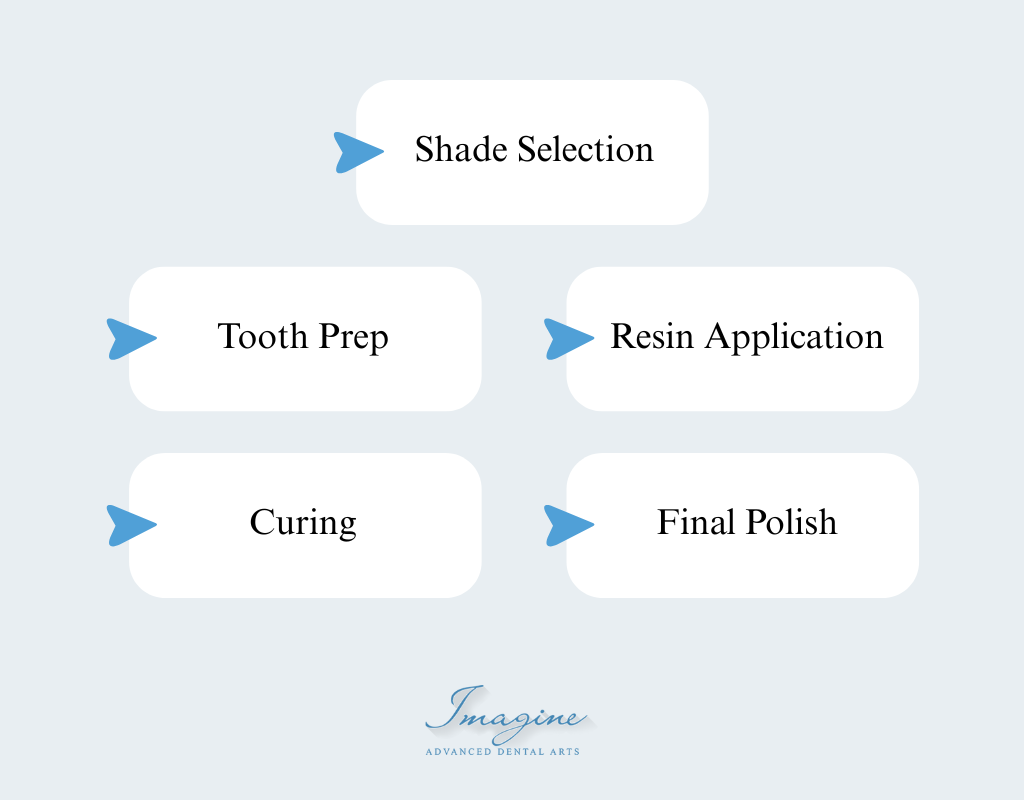
Shade selection. We choose a resin color that matches your surrounding teeth.
Tooth preparation. The surface is cleaned and gently roughened so the bonding material can attach securely.
Resin application. The composite material is placed and shaped to the desired contour.
Curing and polish. A special light hardens the material, then we trim and polish it to blend with your tooth.
Is Dental Bonding Painful?
Most people feel little to no pain during bonding because the treatment usually does not
affect the nerves inside the tooth. Some patients notice mild sensitivity afterward, but
it is usually short-lived.
What Happens After Teeth Bonding?
After bonding, keep your teeth clean to protect the new surface. Brush twice a day with
fluoride toothpaste, floss daily, and avoid habits that can chip the resin, such as
biting fingernails, ice, or hard objects.
Advantages of Dental Bonding
Minimally invasive compared with crowns or veneers
Affordable for many small cosmetic fixes
Versatile for chips, stains, cracks, and small gaps
Usually completed in one visit
Disadvantages of Dental Bonding
Bonding can stain more easily than porcelain and may not last as long as veneers or
crowns. It can also chip over time, especially if you bite hard objects or place heavy
pressure on the bonded tooth.
Are Dental Bonding and Fillings the Same?
They can use the same composite resin, but the purpose is different. Dental bonding is
used for cosmetic and minor damage concerns such as chips, cracks, uneven shapes, and
small gaps. Dental fillings are used to remove decay, seal the tooth, and restore
function.
Dental Bonding
Bonding is usually completed in one visit and often takes 30 to 60 minutes per tooth.
It is one of the more affordable cosmetic dentistry options and usually requires little
to no removal of healthy enamel.
Dental Bonding Procedure
The tooth is cleaned, a bonding agent is applied, composite resin is shaped on the tooth,
and a curing light hardens the material. The final step is shaping and polishing so the
bonded area looks natural.
Dental Fillings
Fillings are one of the most common dental procedures. The decayed portion of the tooth
is removed, the area is cleaned, and the space is filled with a durable material. White
composite fillings and porcelain fillings are popular because they match the color of
natural teeth.
Dental Fillings Procedure
The decayed part of the tooth is removed, the area is cleaned, an adhesive is placed, and
tooth-colored filling material is added. The filling is hardened, shaped, and polished
for a smooth bite.
Comparison Between Dental Bonding and Fillings
Material: Bonding uses tooth-colored resin. Fillings may be composite, porcelain, glass ionomer, gold, or amalgam.
Durability: Fillings are designed for chewing strength. Bonding is strong, but may chip or stain sooner.
Appearance: Bonding and composite fillings can both look natural, especially on visible teeth.
Tooth preservation: Bonding is often the more conservative cosmetic choice, while fillings remove damaged or decayed structure.
When Is Dental Bonding Better?
Bonding is better when the main goal is cosmetic and the tooth is otherwise healthy. It
can quickly improve small chips, discoloration, uneven shape, or narrow gaps.
When Are Dental Fillings Better?
Fillings are better when decay or structural damage needs to be removed and restored.
They rebuild the tooth and help stop a cavity from becoming larger.
Pros of Dental Bonding
Fast, cosmetic, and usually conservative
Often completed without numbing
Blends with the natural tooth color
Cons of Dental Bonding
Can stain or chip more easily than porcelain
May need repair or replacement sooner
Not ideal for large structural problems
Pros of Dental Fillings
Treat decay and restore tooth function
Composite options can look natural
Durable for everyday chewing
Cons of Dental Fillings
May require numbing or drilling
Large fillings can weaken over time
Older materials may be more visible
Frequently Asked Questions
1. What are dental fillings and bonding?
Fillings repair decay or damaged tooth structure, while bonding uses tooth-colored composite resin to fix chips, cracks, gaps, stains, or uneven shapes. At Imagine Advanced Dental Arts we offer both with natural-looking materials.
2. What’s the difference between dental bonding and fillings?
Both can use tooth-colored composite resin. At Imagine Advanced Dental Arts we use fillings to treat decay and restore function, and bonding mainly to improve the shape or appearance of a tooth.
3. Are dental fillings and bonding painful?
Fillings are usually placed with local numbing, and bonding is gentle and often needs no anesthesia. At Imagine Advanced Dental Arts we prioritize your comfort throughout.
4. How long do dental fillings and bonding last?
Composite fillings can last many years, and cosmetic bonding often lasts 5 to 10 years before a refresh. At Imagine Advanced Dental Arts we help you protect them with good home care and checkups.
5. Can bonding and fillings match my tooth color?
Yes. At Imagine Advanced Dental Arts we shade-match and polish the composite resin so the filling or bonded area blends seamlessly with your natural enamel.
6. When do I need a dental filling?
At Imagine Advanced Dental Arts we recommend a filling when decay, a small fracture, or worn tooth structure needs to be cleaned out and restored.
7. When is dental bonding a better option?
At Imagine Advanced Dental Arts we often suggest bonding for small cosmetic concerns such as minor chips, gaps, shape issues, or stains that do not respond to whitening.
8. What material is used for dental fillings and bonding?
At Imagine Advanced Dental Arts we use composite resin, a durable tooth-colored material that can be shaped, hardened, and polished to match nearby teeth.
9. Is dental bonding vs filling more expensive?
Cost depends on size, location, and material. At Imagine Advanced Dental Arts bonding is one of the more affordable cosmetic options, and we offer financing through CareCredit and Lending Club.
10. How do I care for teeth after dental fillings and bonding ?
Brush twice daily with fluoride toothpaste, floss daily, keep regular checkups at Imagine Advanced Dental Arts, and avoid biting hard objects such as ice, pens, or fingernails.
Porcelain veneers take at least two visits, one to prep the teeth and one to bond the lab-made shells, but readiness work on gums, decay, bite and shade often sets the calendar.
To choose a cosmetic dentist in New Jersey, judge the consult, not the awards. A strong consult examines first, plans for your bite, writes down scope and cost, and names who finishes.
Most people with veneers are satisfied, but regret clusters among patients whose healthy teeth were covered to fix one or two small flaws that whitening plus bonding could have solved.